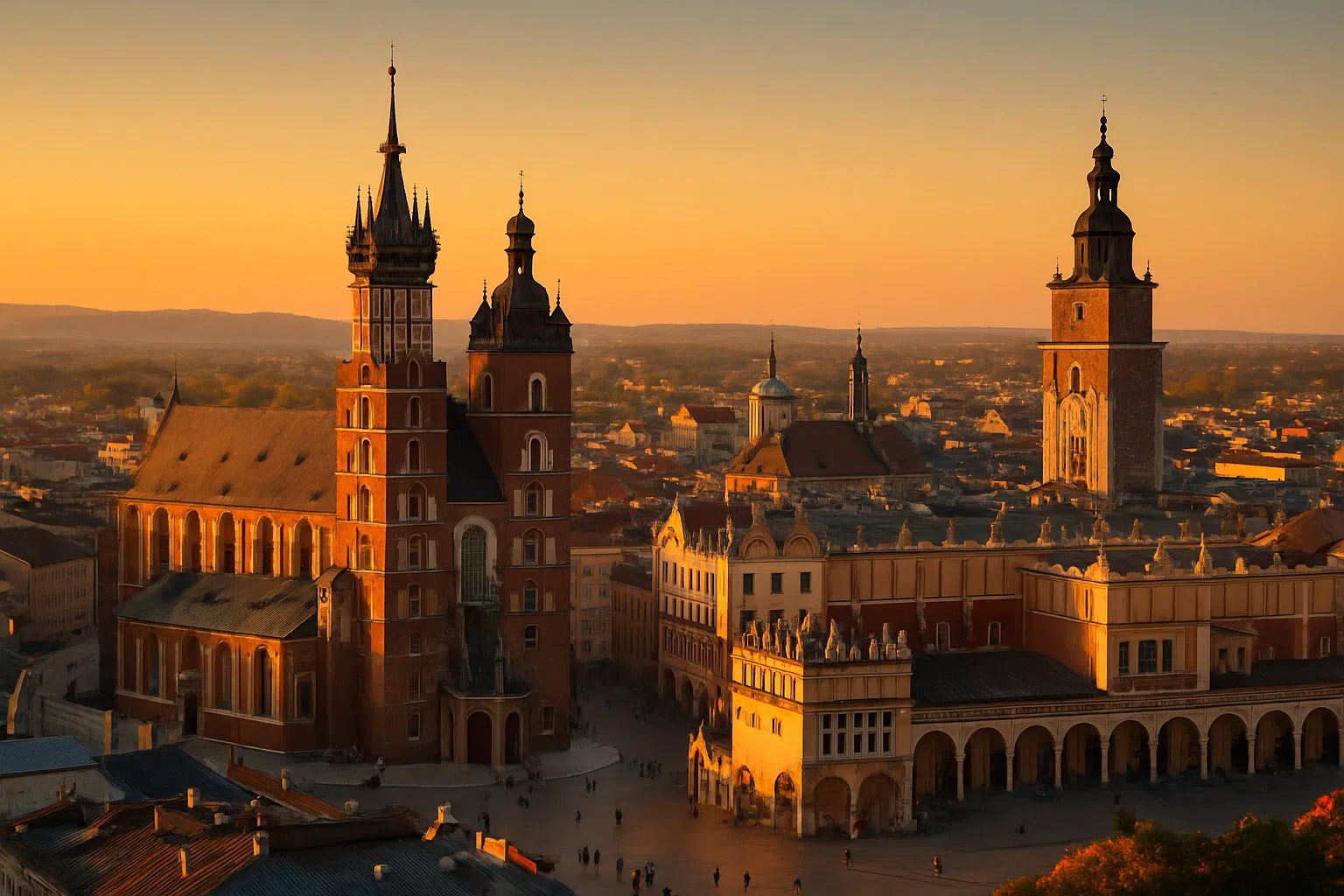
The Krakow issue, November 2026
Krakow
Krakow is a city defined by its architectural survival and its subterranean energy.
Plan your Krakow trip
Live prices from our booking partners.
Guests & rooms
Free cancellation on many rooms. We may earn a commission when you book.
The Krakow reading list
All 28 Krakow stories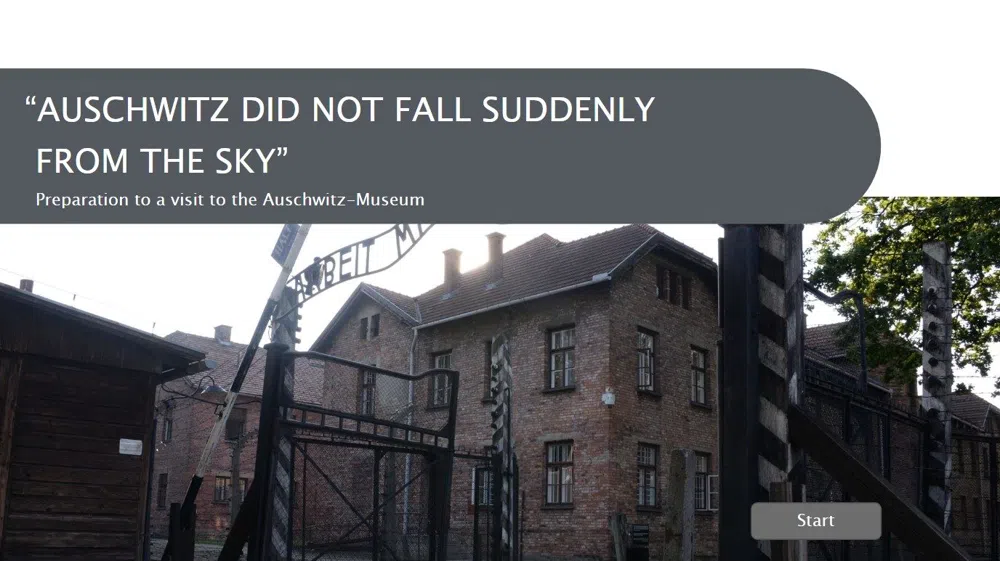
Tours and ticketsThe lead story
What a Day at Auschwitz-Birkenau Asks of a Krakow Visitor
How the memorial an hour west of Krakow actually works: the booking rule that turns people away, the three kilometres most day trips skip, and what the day takes out of you.
Rhys Llewellyn
Tours and tickets
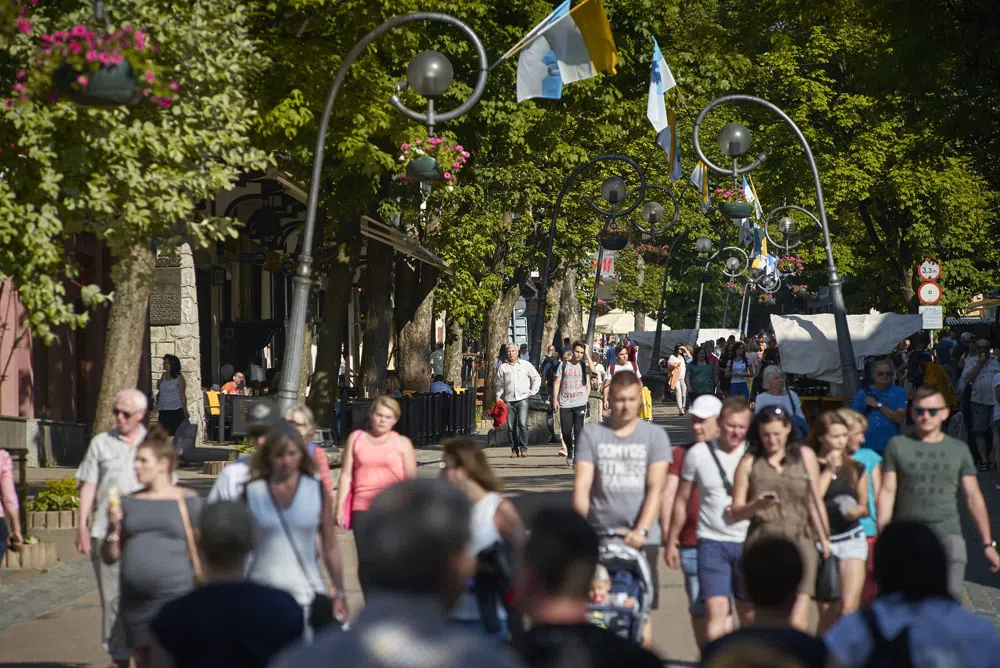
Walking Zakopane on a Day Trip from Krakow
A slow, honest route through the Tatra town most visitors see only from the souvenir end of Krupówki, with real prices, real opening days and the two lifts worth booking before you leave Krakow.
Rhys Llewellyn
Tours and tickets
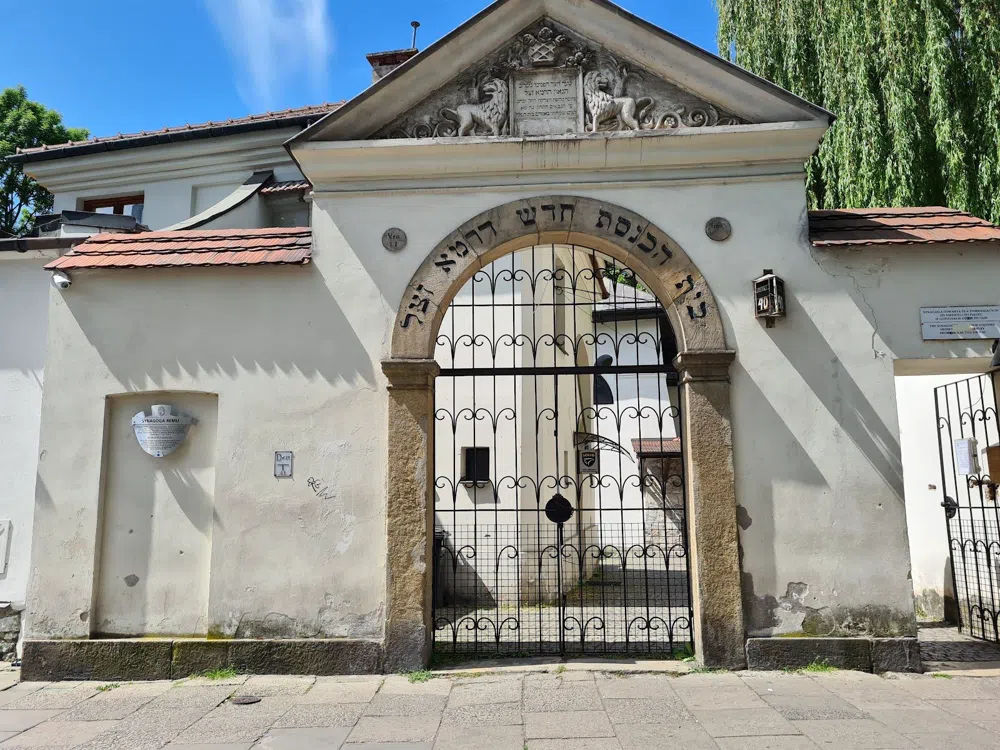
Quiet minutes inside Krakow's Remuh Synagogue
The smallest working prayer hall in Kazimierz has a 16th-century cemetery behind it, and one morning is enough for both.
Rhys Llewellyn
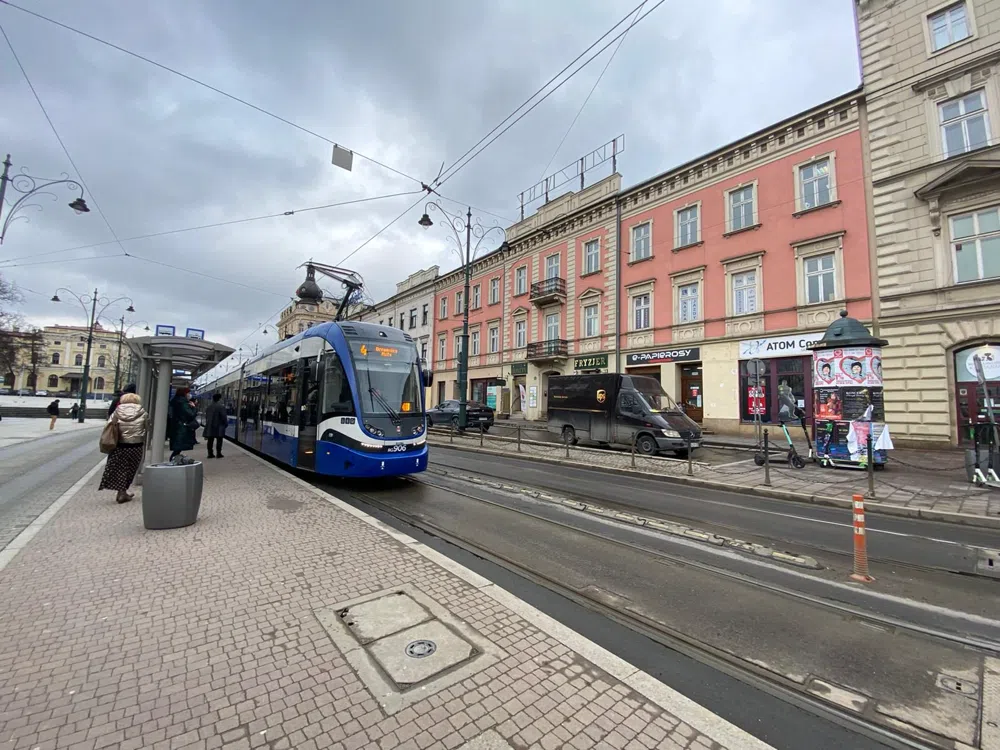
Krakow runs on trams, trains and a ten-minute walk
Trams come every five minutes, one train line serves both the airport and the salt mine, and the walk from the platform to the Main Square takes ten minutes: Krakow in 2026 is a city you can get around without a car.
Rhys Llewellyn
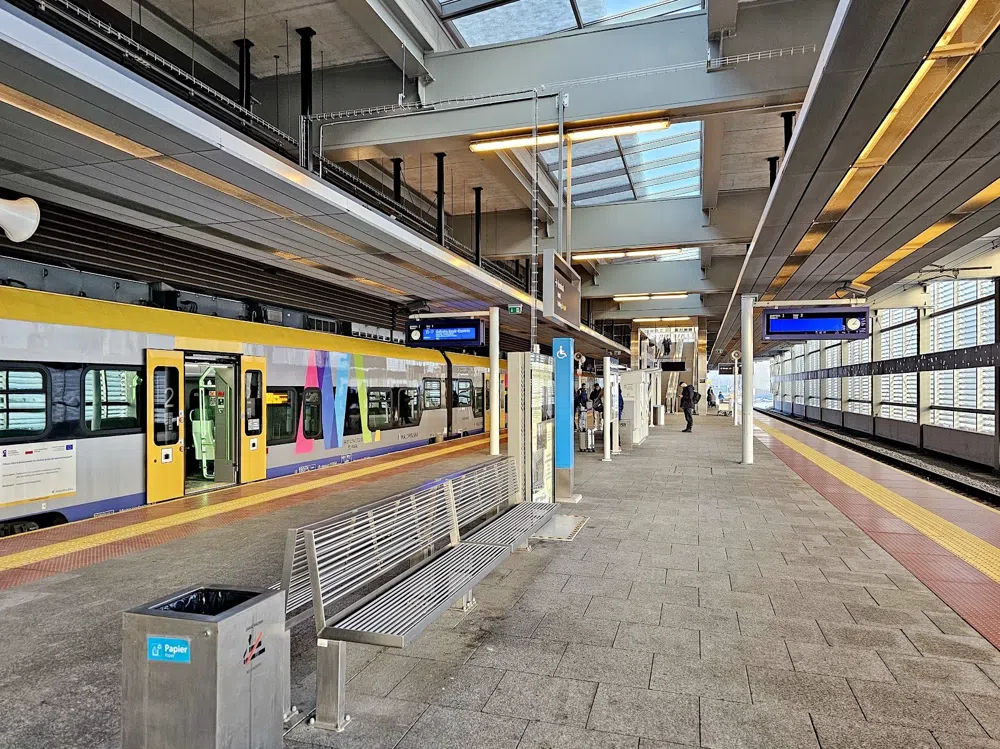
Krakow Airport to the Old Town Without the Taxi Markup
The SKA1 train does the job for 20 zloty in under half an hour, so here is the short list of arrivals where paying for a car is the sensible call rather than the lazy one.
Rhys Llewellyn
More from the Krakow issue
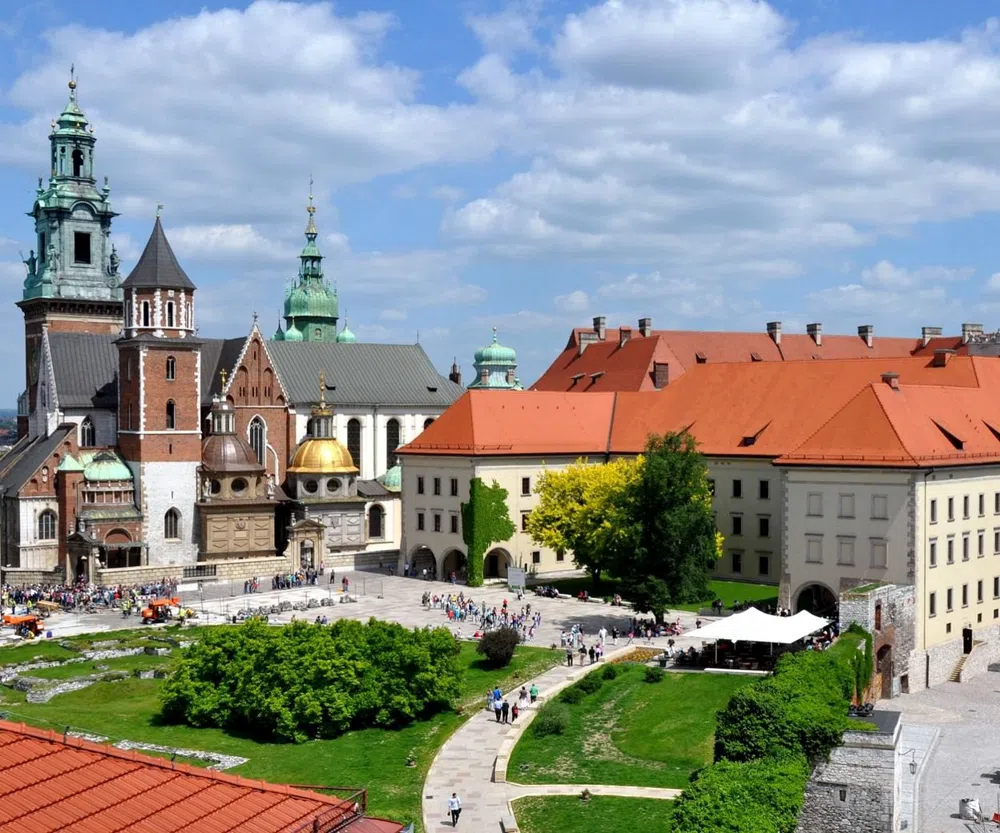
October in Krakow Before the Towers Shut for Winter
Rhys Llewellyn
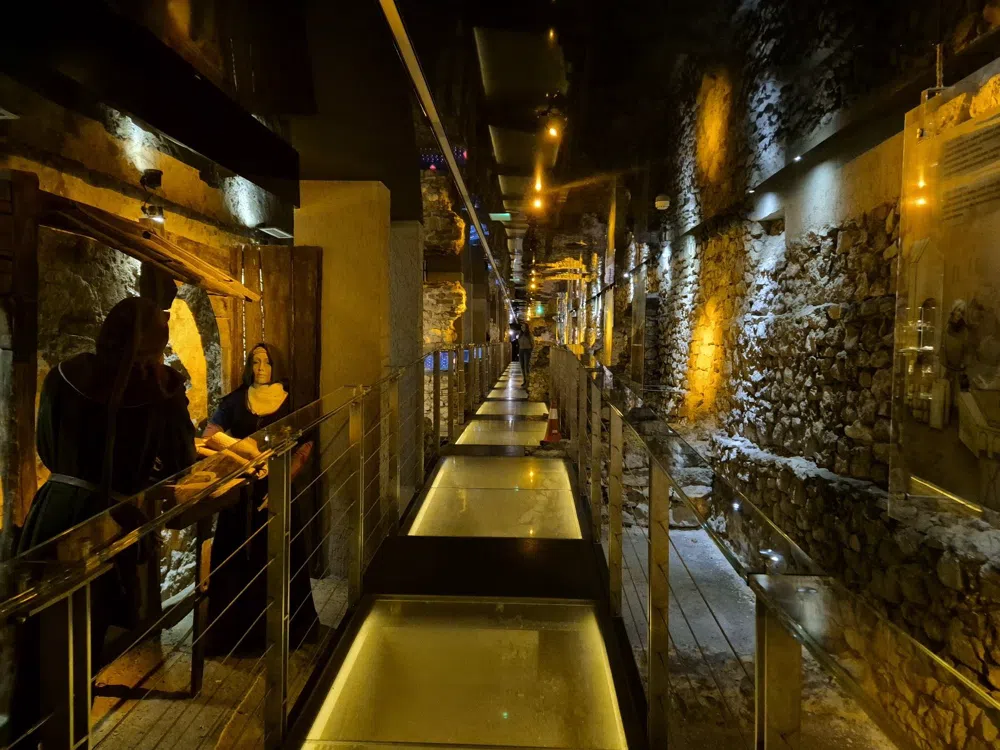
Two Days Beneath Krakow's Market Square
Chiara Fontana
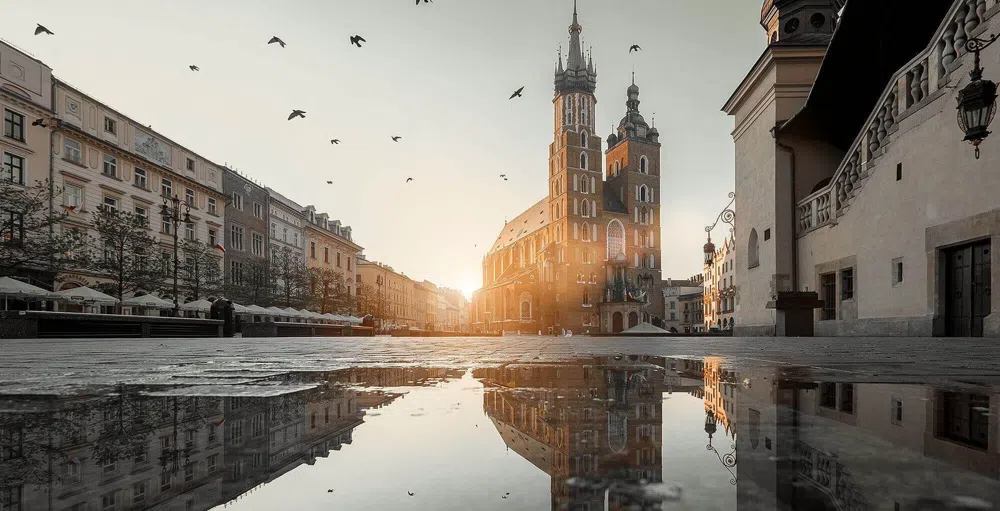
How Krakow Keeps Time by an Unfinished Trumpet Call
Rhys Llewellyn
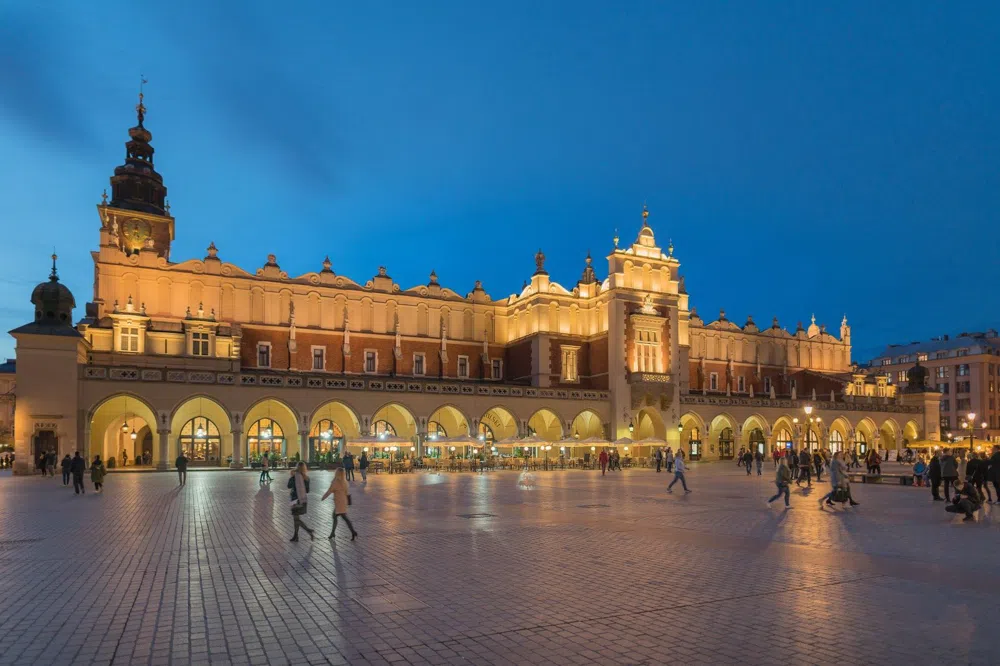
Inside the Cloth Hall: Krakow's Market That Never Quite Closes
Rhys Llewellyn
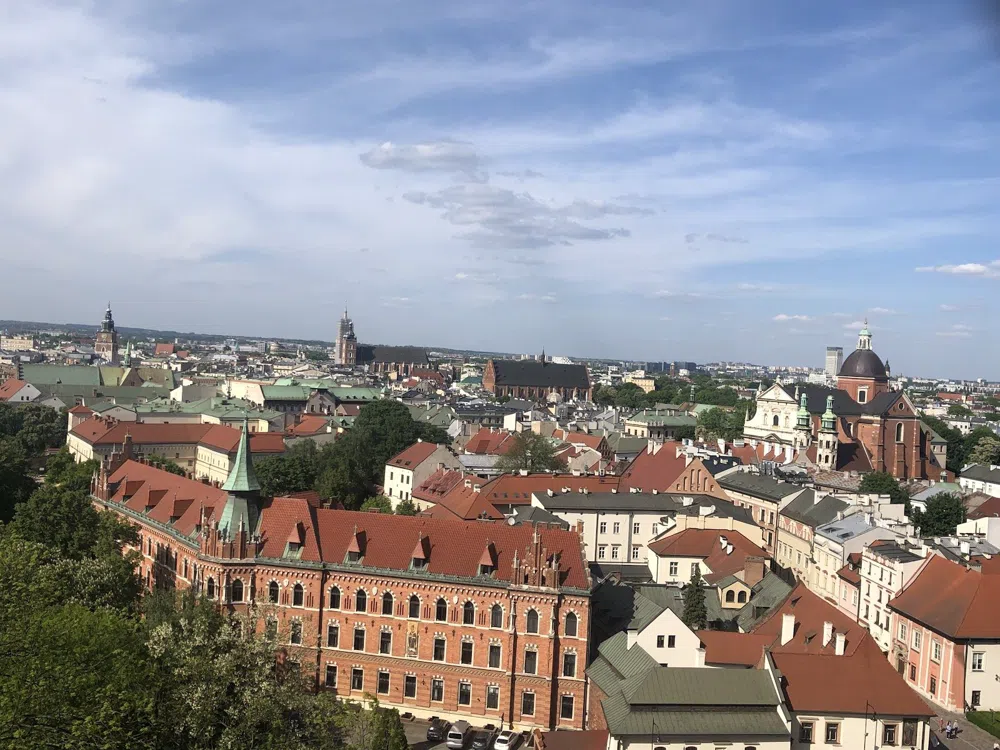
Where to Find Company in Krakow When You Arrive Alone
Rhys Llewellyn
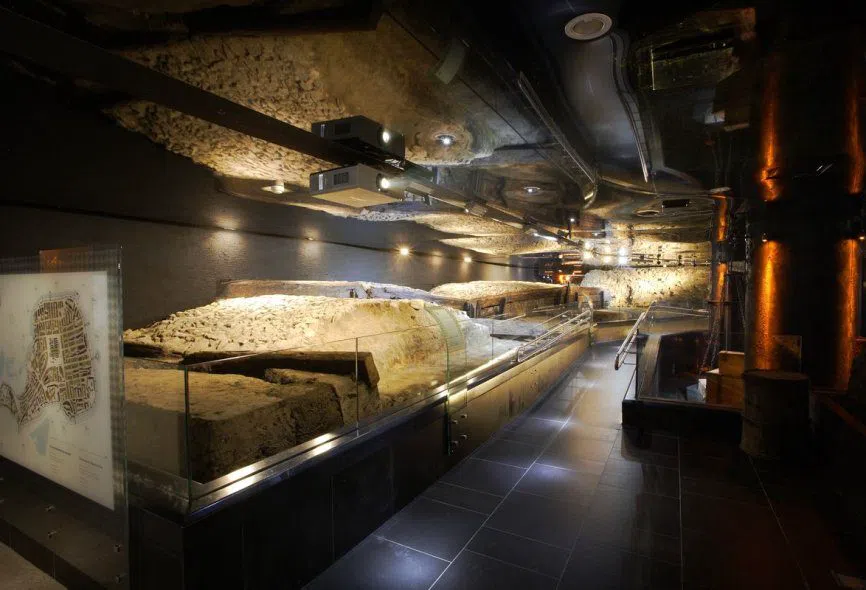
What's Actually Buried Under Krakow's Main Square
Rhys Llewellyn
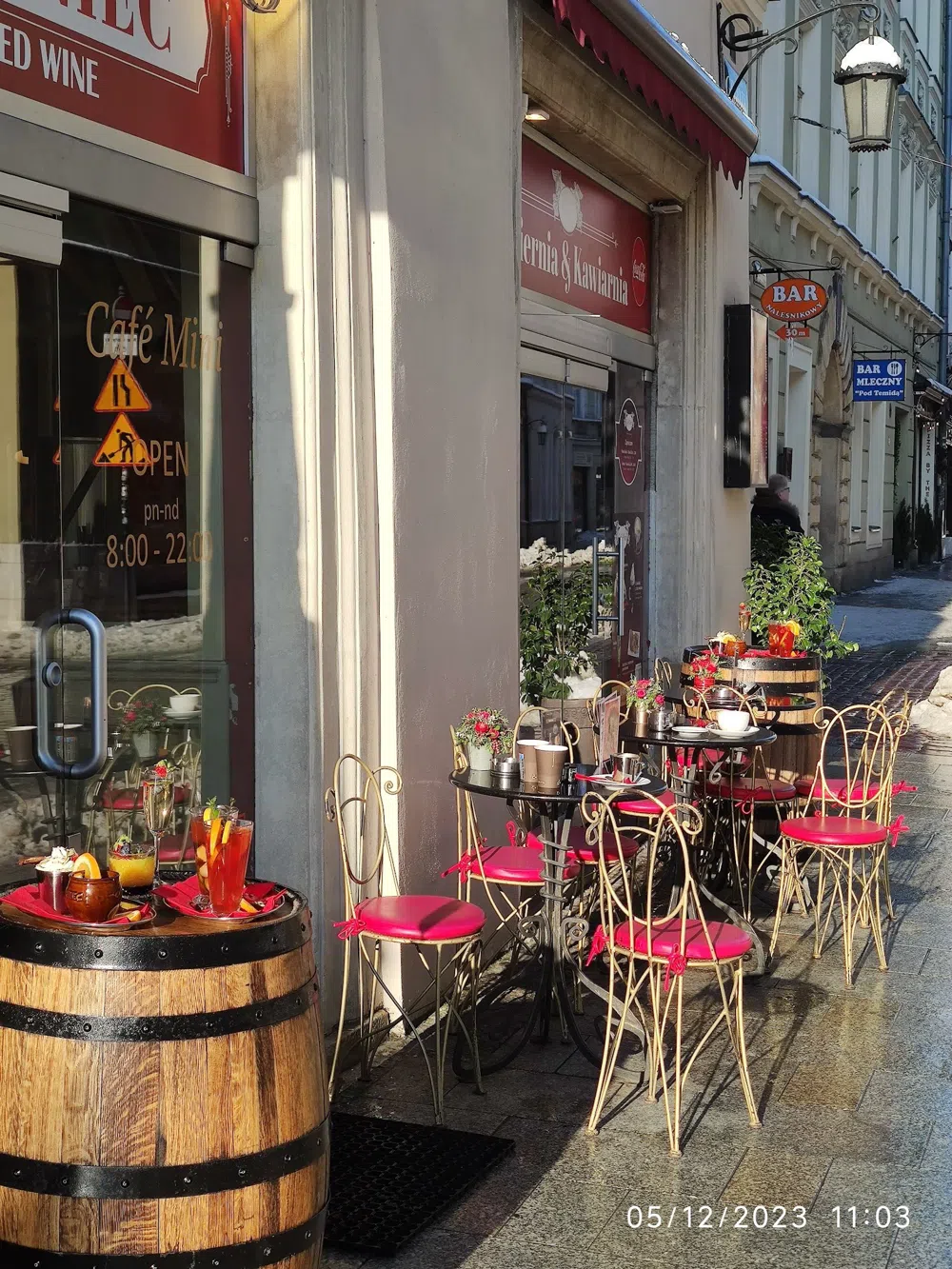
Krakow's Pierogi Trail: Milk Bars to a Michelin Plate
Chiara Fontana
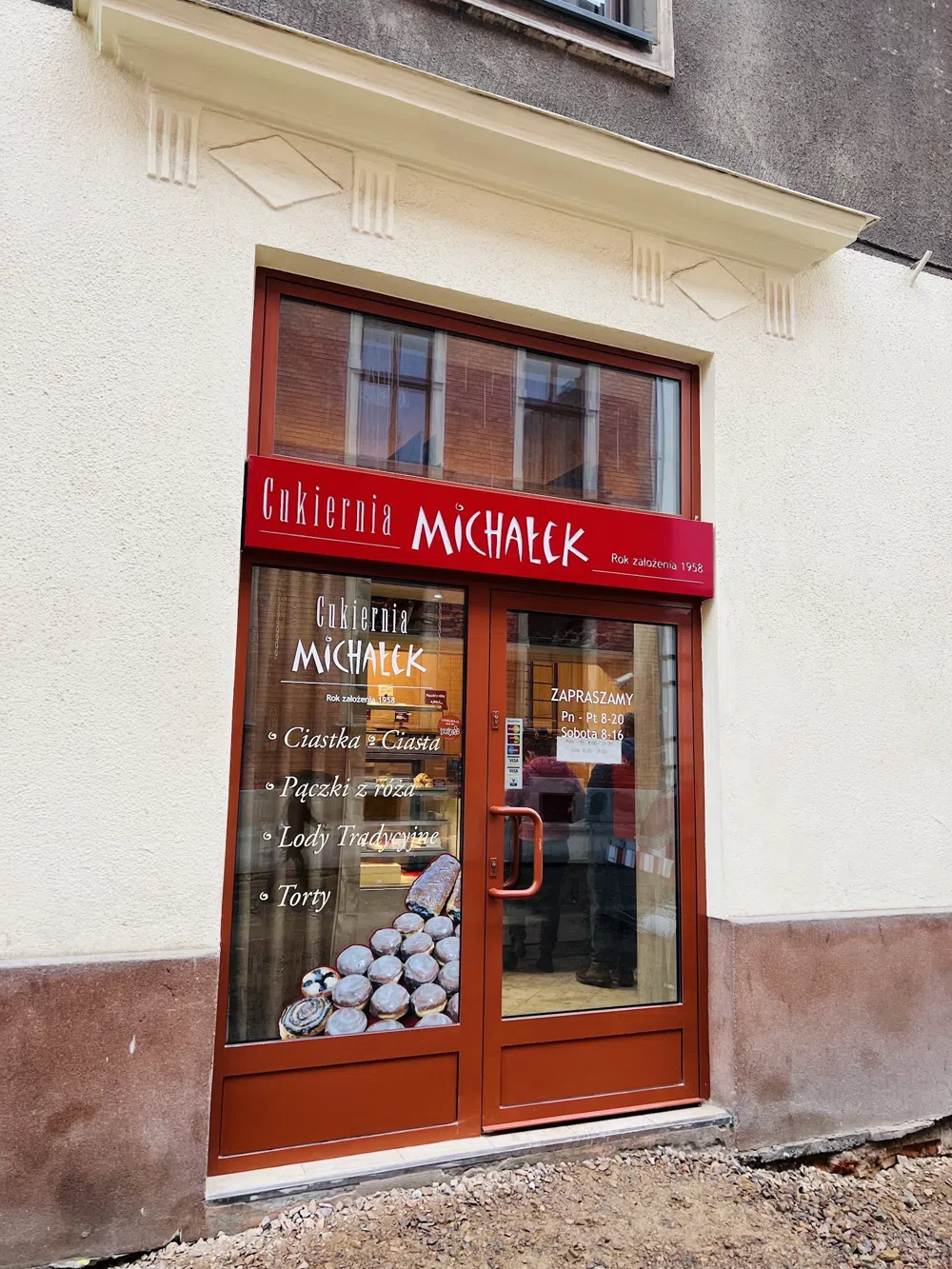
Pączki, Sernik and Kremówka in Kraków's Backstreet Cukiernie
Rhys Llewellyn
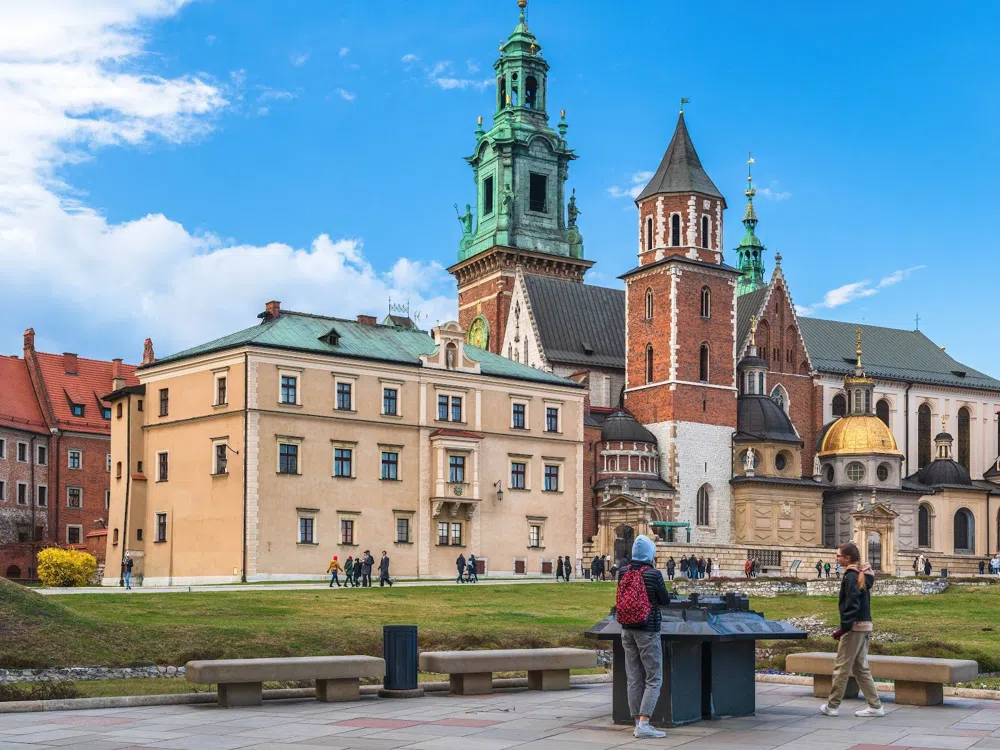
Dragons, Bones and Dead Kings on Krakow's Wawel Hill
Rhys Llewellyn
Tours and tickets
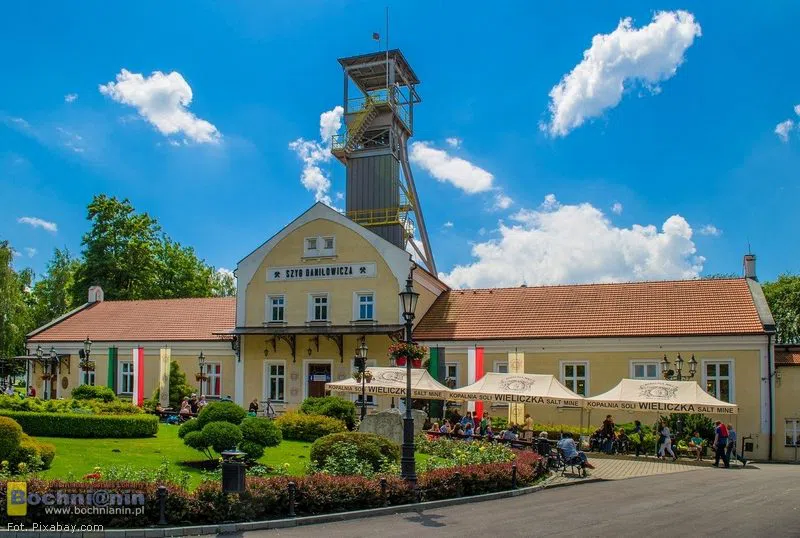
Eight Hundred Steps Under Krakow at the Wieliczka Salt Mine
Rhys Llewellyn
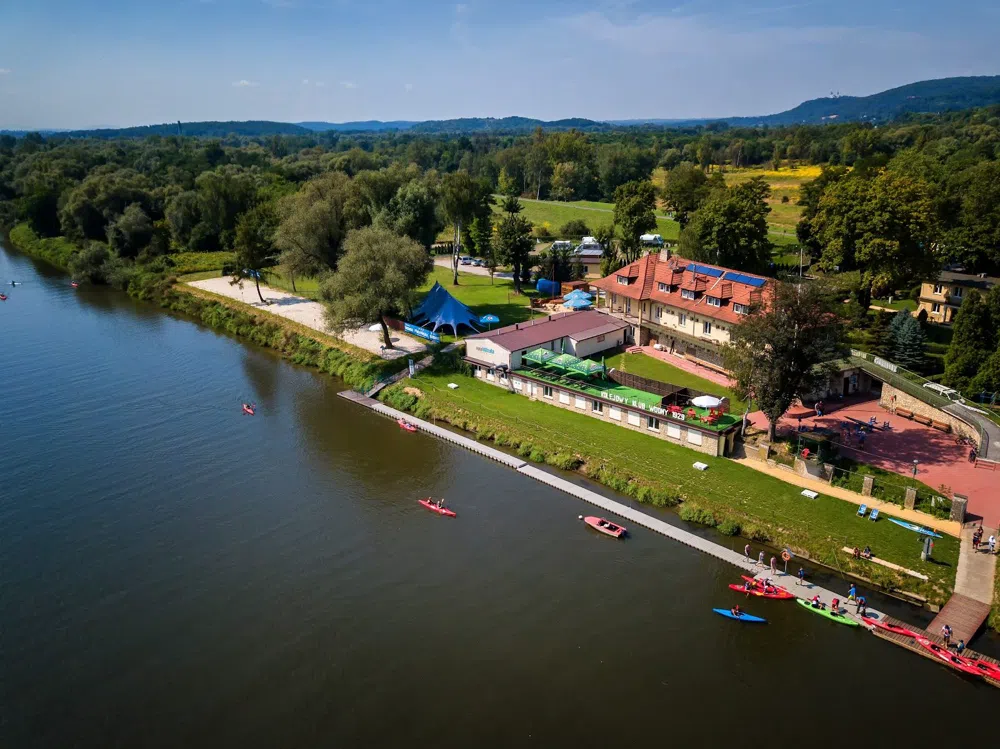
The Vistula You Don't See From the Old Town
Rhys Llewellyn
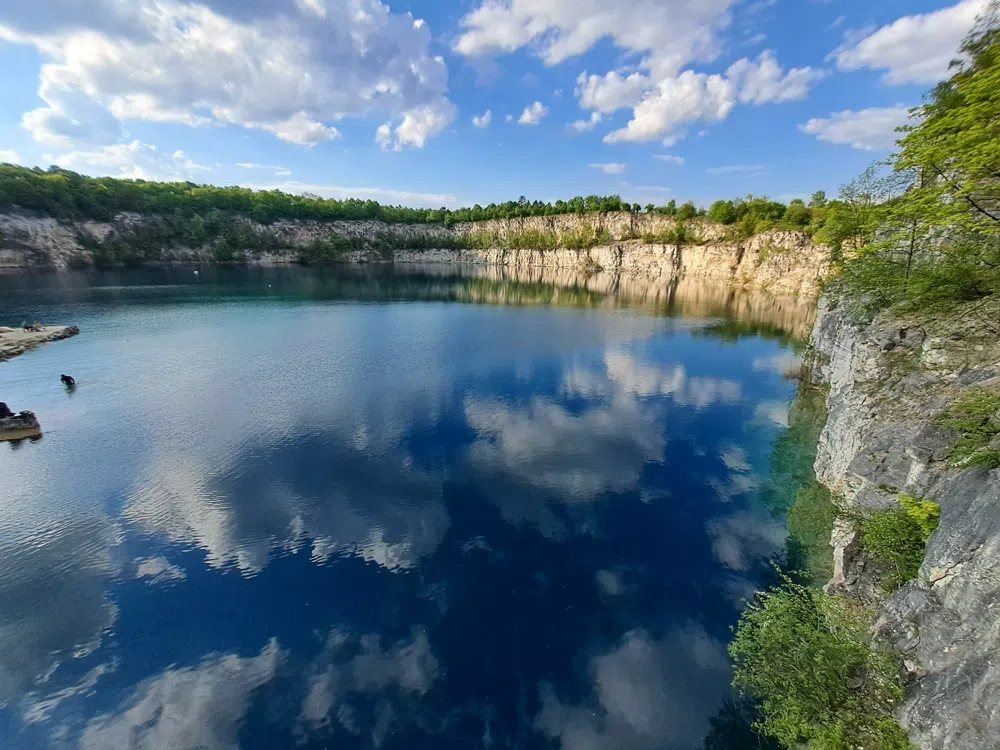
Krakow's Water Days from Zakrzówek Quarry to Tyniec Abbey
Rhys Llewellyn
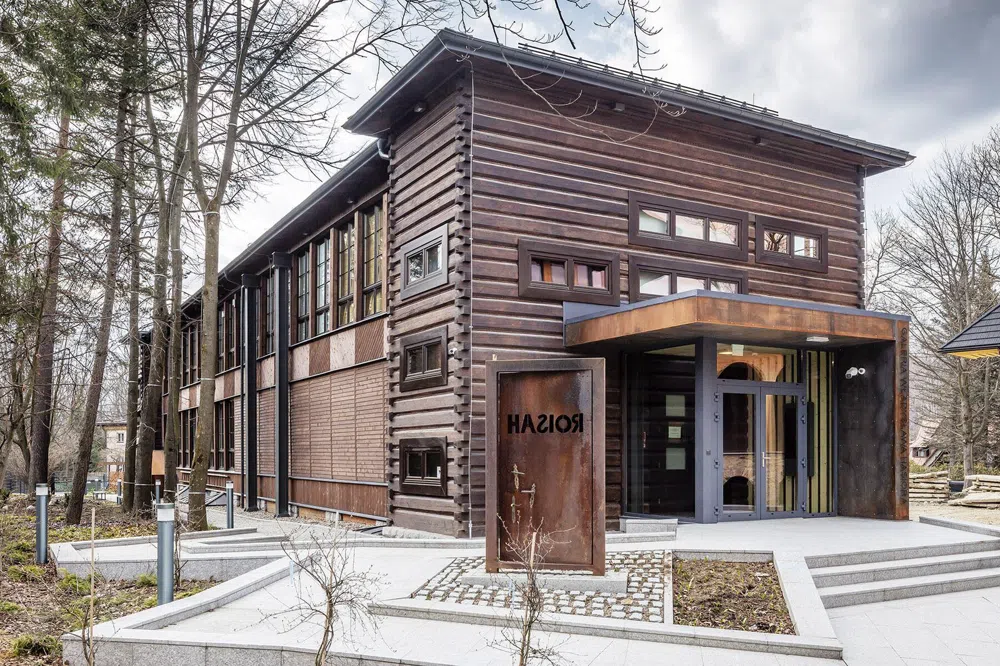
Reading Gorale Culture on a Tatra Day Trip From Krakow
Rhys Llewellyn
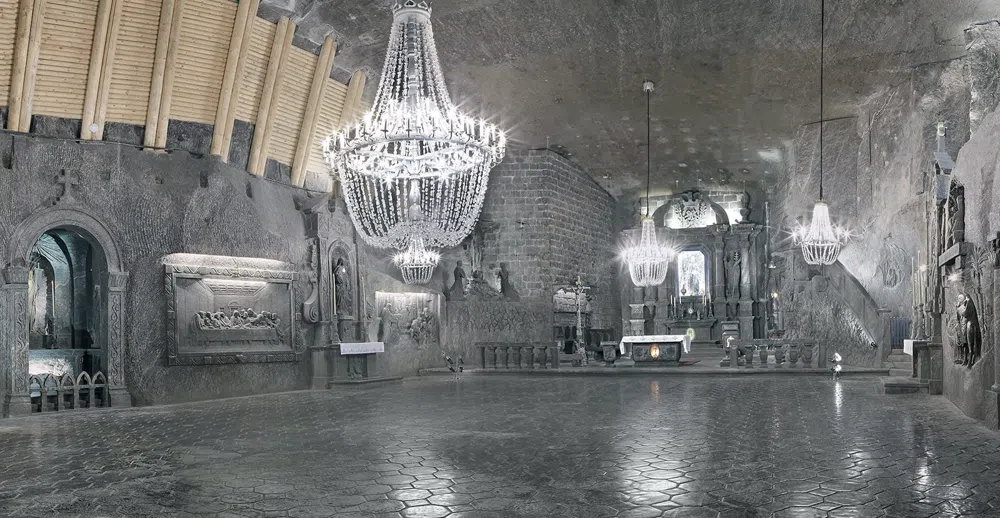
The Wieliczka Salt Mine's underground world: a subterranean chapel, lake and labyrinth
Rhys Llewellyn
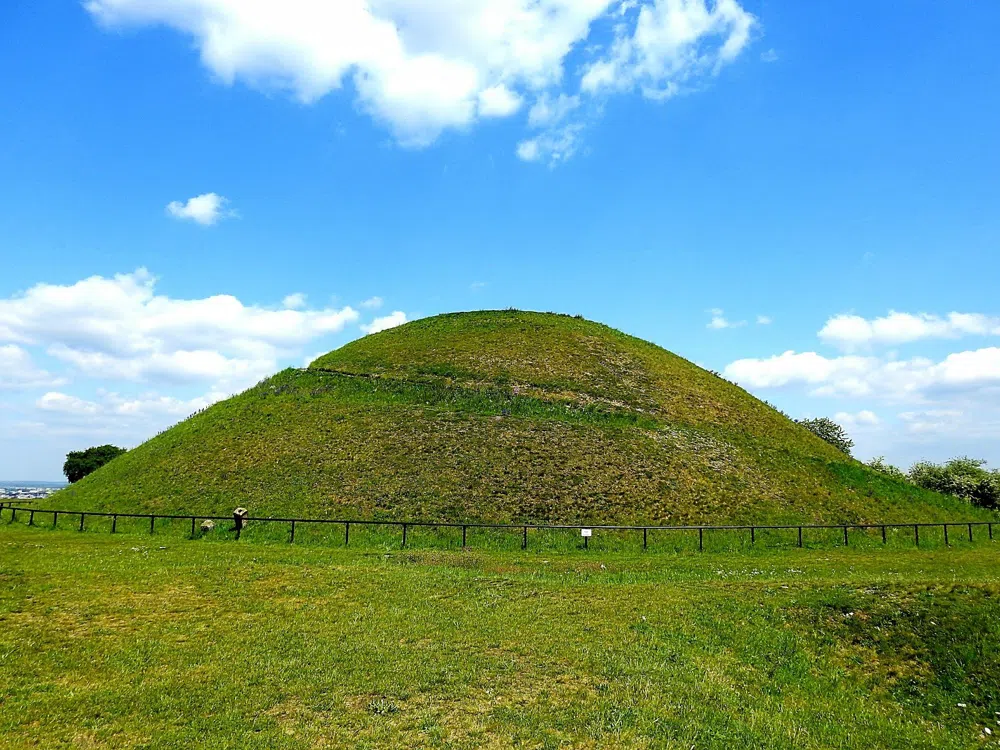
Climbing Krakow's Four Mounds for Sunrise and Sunset
Rhys Llewellyn
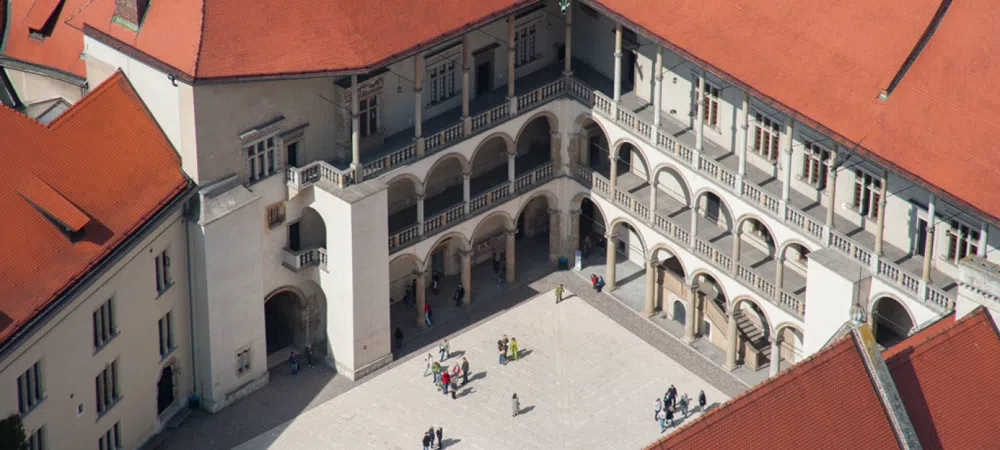
Wawel Hill in Krakow from the royal tombs to the dragon
Rhys Llewellyn
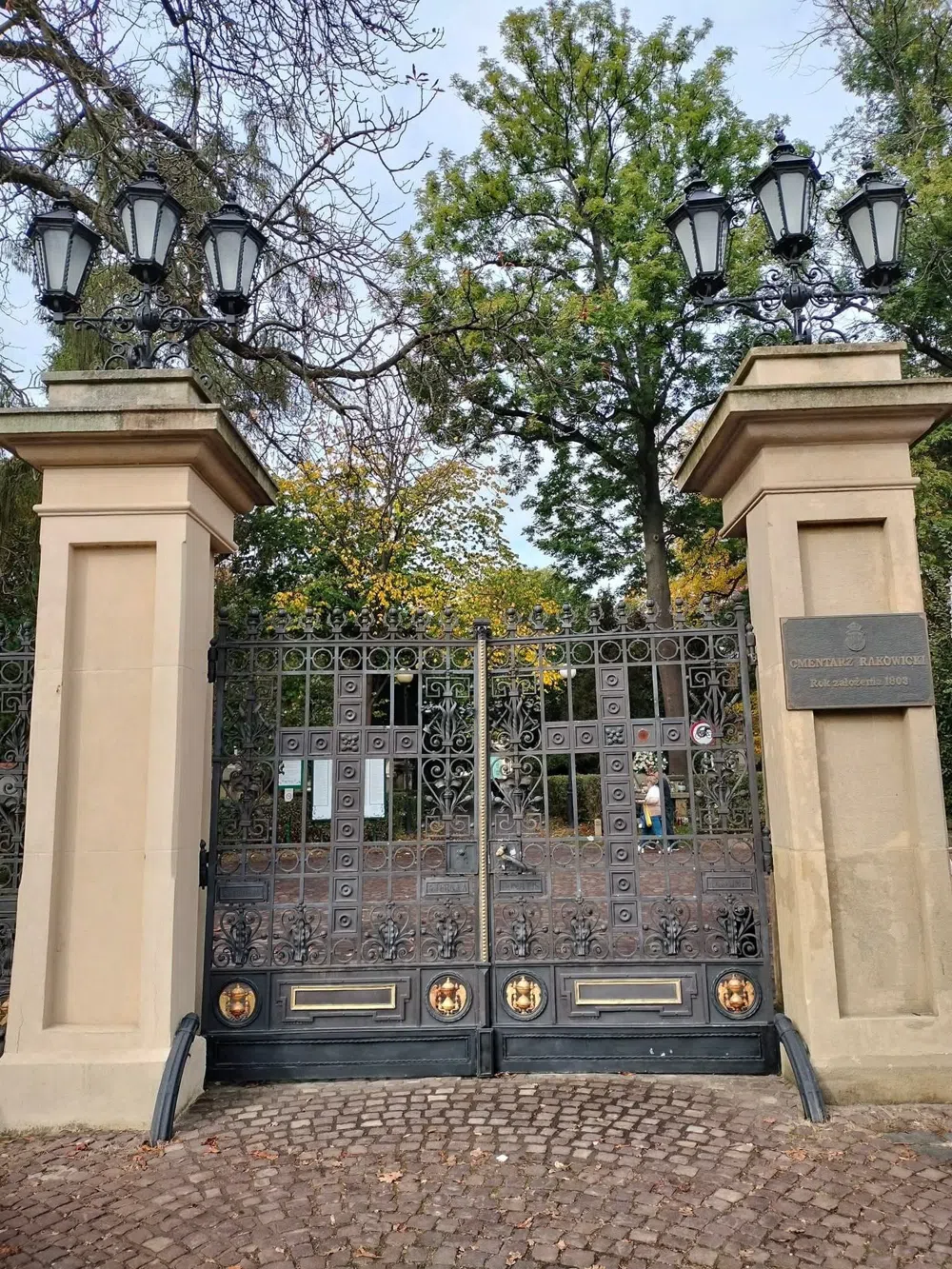
Krakow by Candlelight on All Saints Day
Rhys Llewellyn
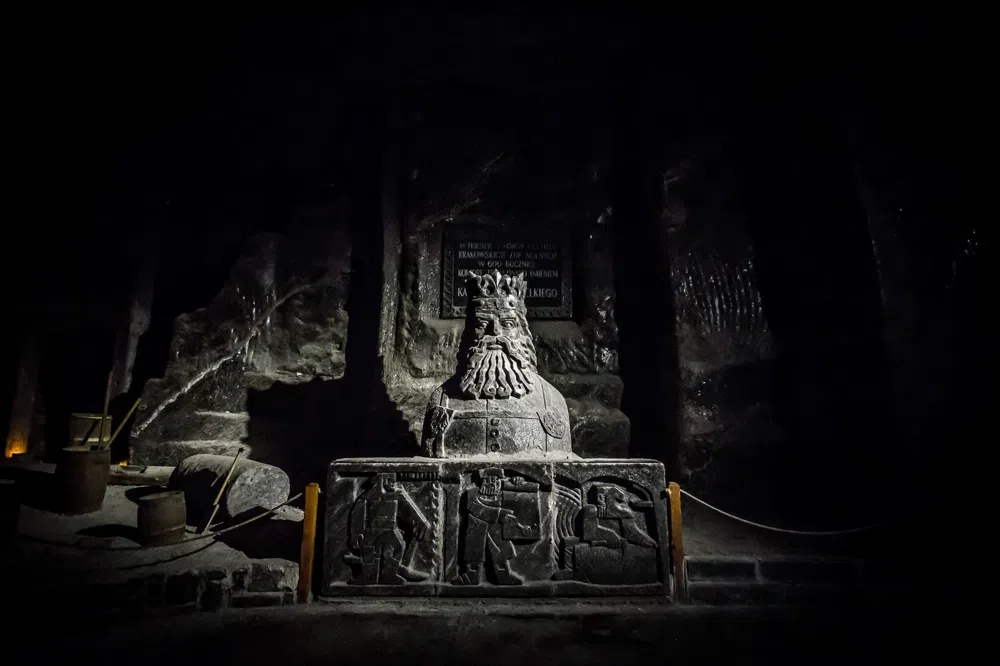
The Wieliczka Salt Mine's underground world: a subterranean chapel, lake and labyrinth carved by centuries of miners
Rhys Llewellyn
Tours and tickets
Walking the Tatras on a Day Trip From Krakow
Rhys Llewellyn
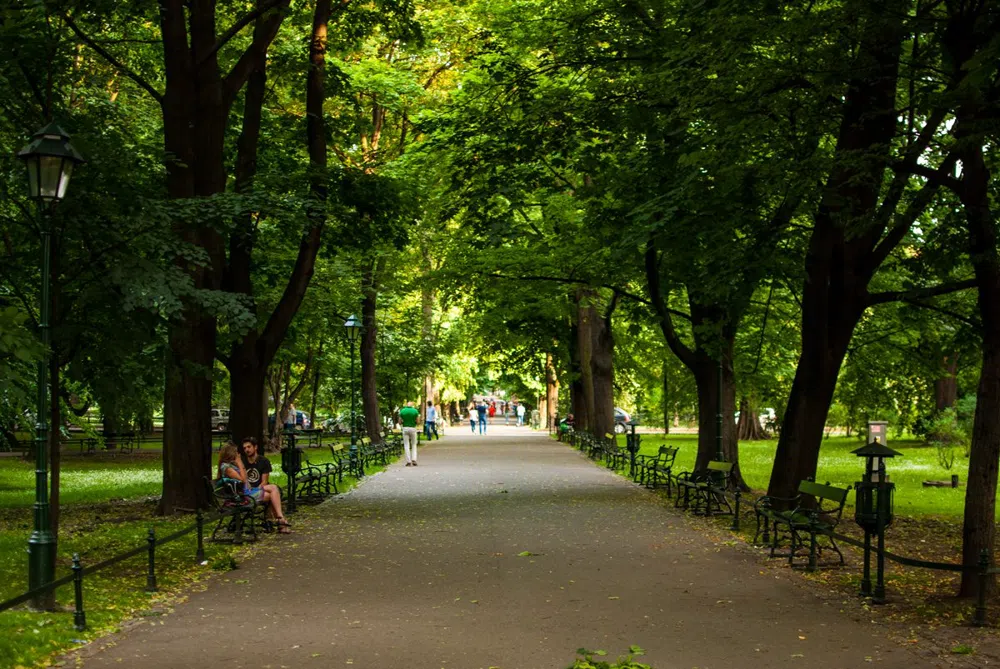
Walking Krakow's Green Ring Before the City Wakes
Rhys Llewellyn
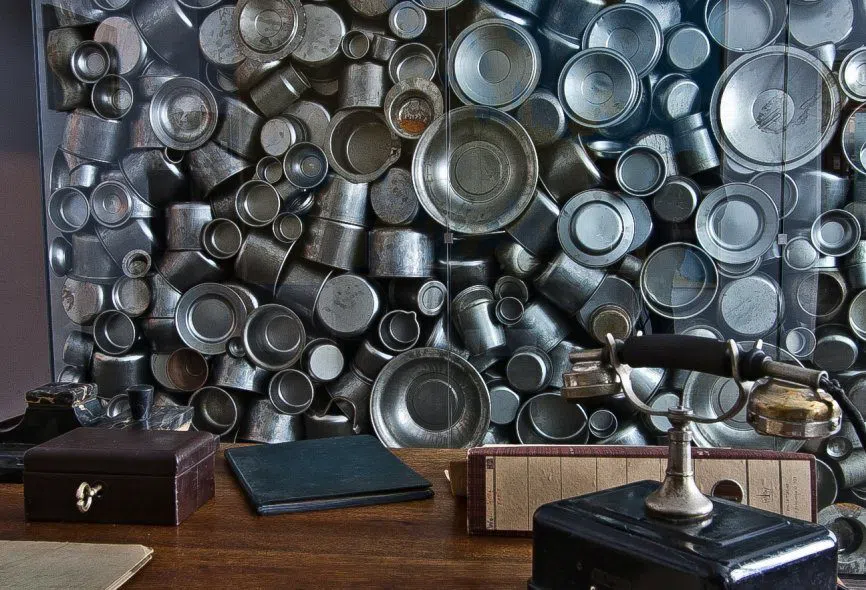
What to see, eat and drink in Zabłocie, Krakow
Rhys Llewellyn
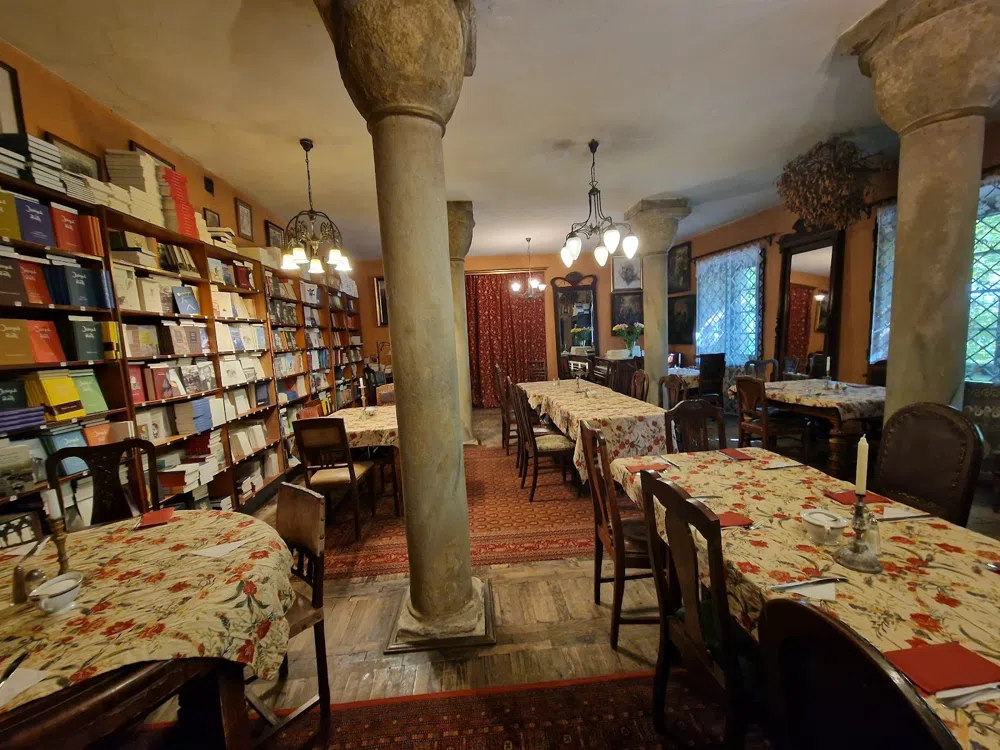
Kazimierz After Dark: How Krakow's Oldest District Became Its Youngest Heart
Rhys Llewellyn
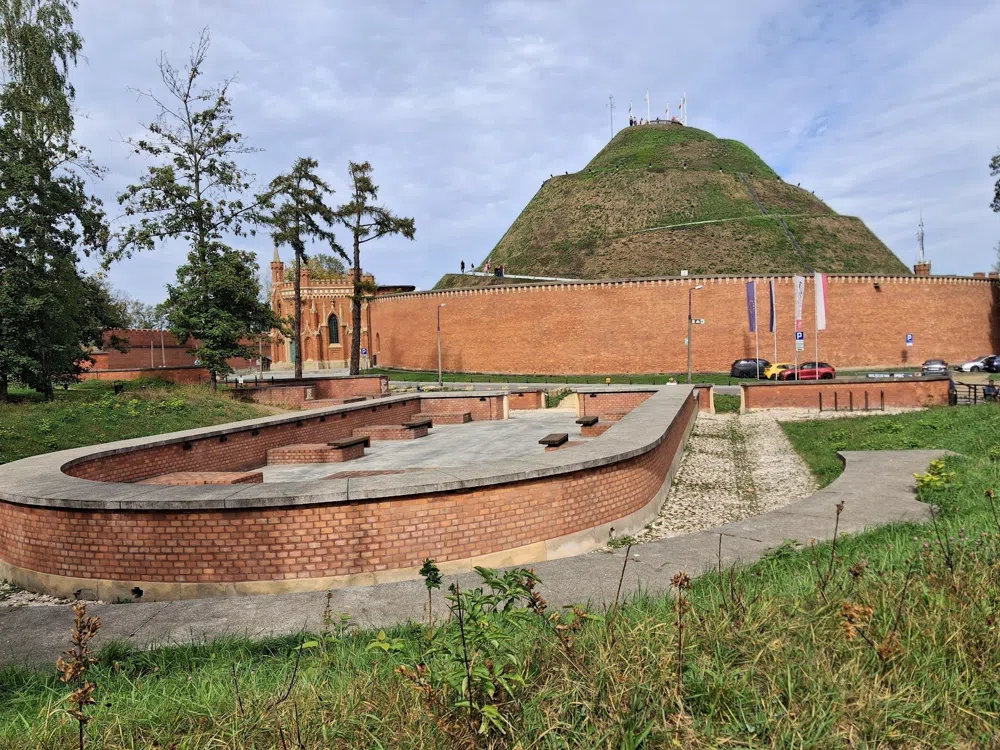
Walking Zwierzyniec, the Kraków quarter that ends in forest
Rhys Llewellyn
An insider’s read on Krakow
For centuries the seat of Polish kings, Krakow carries a royal gravity that still shapes its identity. The Wawel Castle complex, rising above the Vistula River, serves as a monument to this golden age. However, the city's character is equally defined by its twentieth-century trauma.
The Jewish quarter of Kazimierz and the industrial district of Podgórze carry the heavy history of the Holocaust, now juxtaposed with a creative renaissance. Krakow does not hide its scars; instead, it integrates them into a complex, forward-looking cultural landscape that values memory as much as progress.
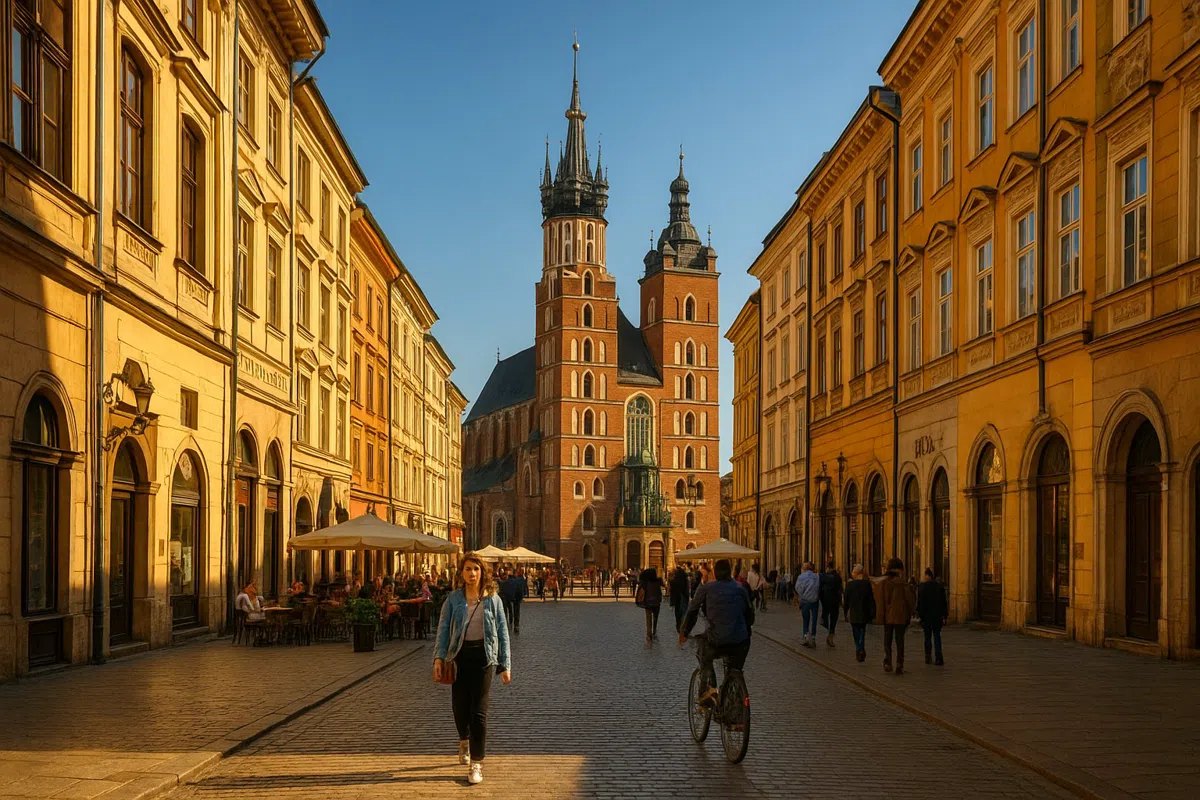

While much of the region suffered catastrophic destruction during the mid-twentieth century, Krakow's medieval core remained structurally intact.
From our Krakow guide
Nine neighbourhoods, nine ways to stay
Pick the neighbourhood first and the trip follows. Each one opens its own guide, with the hotels inside it.

Stare Miasto (Old Town)
First-time visitors who want to be steps away from major landmarks. The trade-off is high noise levels at night, elevated restaurant prices, and dense tourist crowds.
The historic heart of the city, dominated by the massive Rynek Główny, Gothic churches, and cobblestone alleys. It is grand, historic, and highly energetic.
Where to stay Look for boutique hotels tucked into historic townhouses along Kanonicza or Floriańska streets.
Stay in Stare Miasto (Old Town)
Kazimierz
Travelers seeking nightlife, independent dining, and a creative vibe. The trade-off is that some streets can feel neglected, and weekend nights are loud and crowded.
The historic Jewish quarter, characterized by a bohemian, slightly gritty atmosphere. It features a mix of synagogues, indie galleries, vintage shops, and a dense concentration of bars.
Where to stay Charming guesthouses and design-forward boutique hotels near Plac Nowy.
Stay in Kazimierz
Podgórze
Those interested in modern history and a quieter, more local atmosphere. The trade-off is a longer walk to the Old Town sights.
Located across the Vistula River, this former industrial district and wartime ghetto is now a quiet, creative neighborhood with a local feel and industrial-chic architecture.
Where to stay Modern apartments and mid-range hotels near the riverbank.
Stay in Podgórze
Nowa Huta
History buffs and architecture enthusiasts interested in Cold War relics. The trade-off is that it is far from the city center and lacks late-night dining options.
A planned socialist-realist district built in the 1950s around a massive steelworks. It features wide avenues, monumental architecture, and abundant green spaces.
Where to stay Generally not recommended for overnight stays; best visited as a half-day trip.
Stay in Nowa Huta
Kleparz
Food lovers and travelers who want a quiet, authentic base within walking distance of the main sights.
A bustling, traditional residential neighborhood just north of the Old Town, centered around a historic open-air food market.
Where to stay Excellent value-for-money apartments and modern mid-range hotels.
Stay in Kleparz
Grzegórzki
Budget-conscious travelers and repeat visitors looking for an unpretentious local experience.
A residential area east of the center, transitioning from industrial yards to modern apartment blocks, known for its local food culture.
Where to stay Functional, modern rental apartments.
Stay in Grzegórzki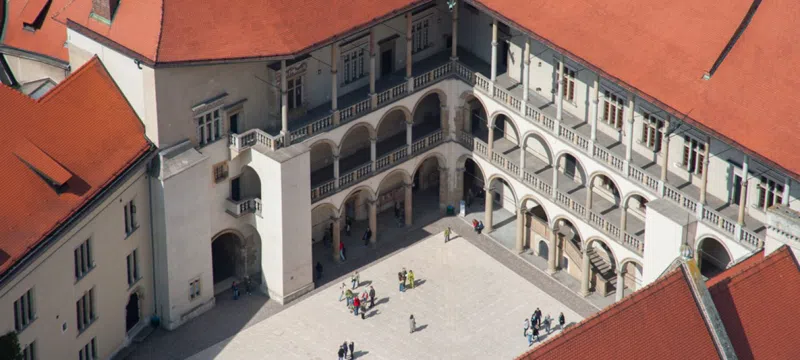
Wawel Hill
Kraków’s royal hill is a natural half-day stop for castle interiors, cathedral history, panoramic river views and the Dragon’s Den. Best from late spring to early autumn; book castle interiors ahead, especially in summer.
Stay in Wawel Hill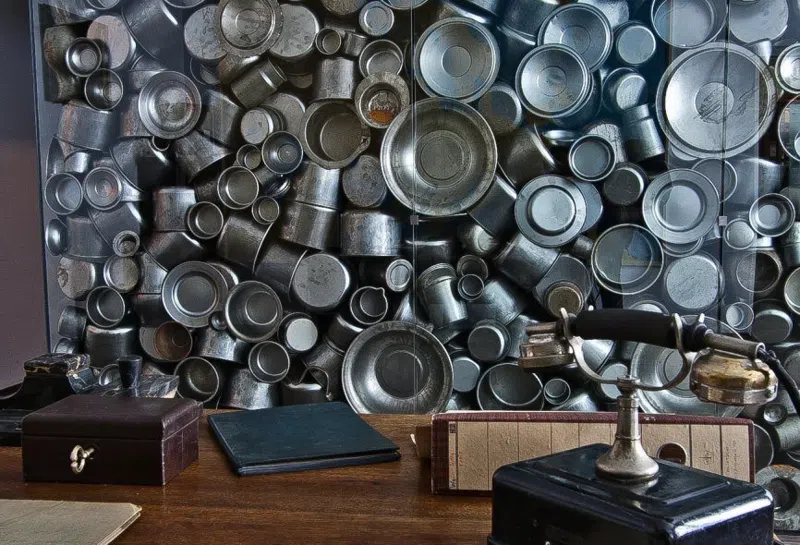
Zabłocie
This former industrial quarter is one of Kraków’s strongest visitor areas for WWII history, contemporary art, creative cafés, breweries and riverside walks. Good year-round; allow extra time for museum visits and reserve Schindler’s Factory during busy periods.
Stay in Zabłocie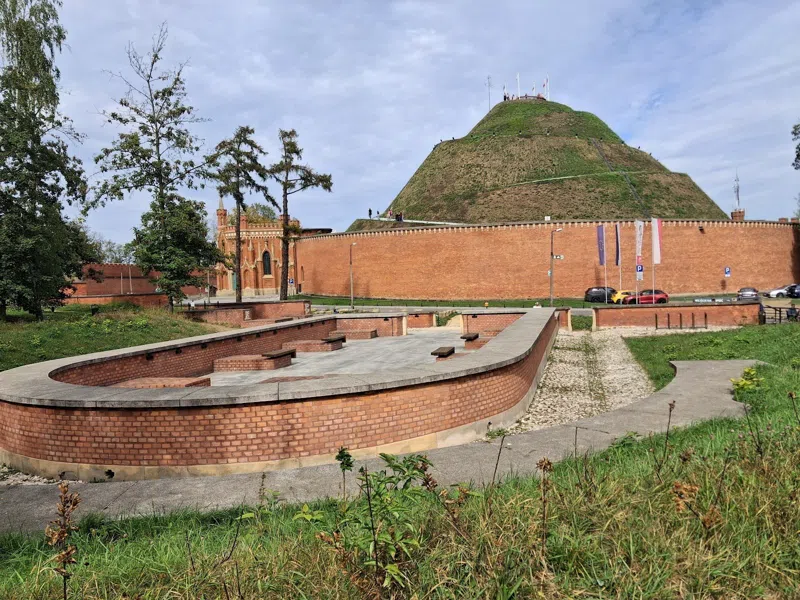
Zwierzyniec
Kraków’s green western quarter gives visitors easy access to Błonia, wooded walking routes, historic mounds and the city zoo. Best in fair weather from April to October; bring water and allow extra time for forest walks.
Stay in ZwierzyniecBook before you land
Top-rated tours and tickets in Krakow, with live prices from Viator.

Private Bike Tour in Krakow
from $148

Krakow: Guided Sightseeing Tour by golf cart/buggy
from $28

Schindler's List excursion incl. Płaszów with Dutch guide
from $46

Zakopane Snowmobile and Thermal Baths Full Day Tour from Krakow
from $115

E-Scooter Rental in Krakow for 4 hours
from $27

Private transfer from/to Krakow airport / City of Krakow
from $41

Krakow Animals Crawl ( 1 Hr of unlimited alcohol & 4 clubs/pubs )
from $35

Kraków Old Town Tour with Local Comedian and Scholar
from $86
Prices from Viator; we may earn a commission when you book — at no extra cost to you. Tours are sold and operated by Viator, the merchant of record. Ratings are collected by Viator and Tripadvisor.
Book direct
Book a hotel in Krakow
Loading live availability and real-time prices…
The Krakow guide
Where to eat, drink and look, how to get around, and what locals expect of you. Open any chapter.
Where to eat
Dining

Starka
A warm, hospitality-focused restaurant famous for its traditional Polish dishes and extensive selection of house-infused vodkas.
Signature: Pork tenderloin in a rich wild mushroom sauce paired with house ginger vodka

Pod Aniołami
Located in a 13th-century goldsmith's cellar, this historic venue specializes in meats marinated and grilled over real beechwood fire.
Signature: Marinated pork loin grilled over beechwood embers

Morskie Oko
A lively, wood-paneled tavern celebrating the hearty, cheese-and-meat-heavy cuisine of the Polish highlands.
Signature: Highlander potato pancakes topped with savory mutton goulash

Bottiglieri 1881
An intimate, world-class dining room where seasonal Polish ingredients are transformed into complex, artistic tasting menus.
Signature: The multi-course seasonal tasting menu

Copernicus
Set in a Renaissance hotel atrium, this restaurant serves sophisticated tasting menus inspired by historical royal Polish recipes.
Signature: Slow-cooked venison with forest berries and parsnip puree

Pod Nosem
Situated on the city's most beautiful street, this restaurant offers elevated Polish classics with a heavy focus on wild game and caviar.
Signature: Wild boar dumplings with fresh herbs

Milkbar Tomasza
A modern take on the classic Polish milk bar, offering freshly made, incredibly cheap traditional dishes in a clean, fast-casual space.
Signature: Savory pierogi filled with potato and cottage cheese (pierogi ruskie)

Bar Mleczny pod Temidą
An unpretentious, no-nonsense relic of the communist era serving simple, hearty Polish staples on plastic trays.
Signature: Traditional cabbage rolls (gołąbki) with tomato sauce

Endzior
The most famous stall in the central rotunda of Plac Nowy, serving massive, toasted open-faced baguettes late into the night.
Signature: Classic zapiekanka with mushrooms, cheese, and garlic sauce

Youmiko Sushi
An innovative sushi bar offering an entirely plant-based omakase experience using local, seasonal vegetables.
Signature: Vegan sushi tasting menu featuring smoked tomato and roasted eggplant nigiri

Vegab
A popular fast-food spot serving hearty, organic plant-based kebabs packed with fresh vegetables and homemade sauces.
Signature: The 'Olympus' vegab with vegan feta, olives, and tzatziki

Krowarzywa
A pioneer of the Polish vegan scene, offering substantial, nutrient-rich burgers made from millet, tofu, or seitan.
Signature: The Jaglanex burger made from millet, pumpkin seeds, and herbs
After dark
Nightlife

Prozak 2.0
One of the city's oldest underground clubs, featuring multiple rooms, a top-tier sound system, and a focus on electronic and techno music.

Teatro Cubano
A massive, high-energy venue playing Latin, reggaeton, and commercial hits, featuring a lively courtyard design.

Mercy Brown
A stylish, hidden speakeasy located behind a wardrobe, offering exceptional bespoke cocktails and occasional burlesque performances.

Sababa
Set in a historic townhouse, this bar serves complex cocktails infused with Middle Eastern spices and botanical ingredients.

Singer
A legendary local institution where the tables are antique sewing machines and patrons eventually dance on them as the night goes on.

Harris Piano Jazz Bar
A legendary basement venue located directly on the main square, hosting live jazz, blues, and soul every single night.

Alchemia
The undisputed heart of Kazimierz's alternative scene, hosting experimental jazz, rock, and indie gigs in its dark basement.

Piec Art Acoustic Jazz Club
A respected, acoustically superb basement club hosting modern and acoustic jazz performances by top-tier Polish musicians.
Art & history
Culture

Oskar Schindler's Enamel Factory
An immersive, world-class exhibition detailing the Nazi occupation of Krakow and the story of Oskar Schindler's efforts to save his Jewish workers.

Rynek Underground
A high-tech archaeological museum situated directly beneath the main market square, showcasing excavated medieval market stalls and streets.

Czartoryski Museum
Home to one of Poland's finest art collections, most famously featuring Leonardo da Vinci's masterpiece, 'Lady with an Ermine.'

Wawel Royal Castle and Cathedral
The historic seat of Polish royalty, featuring a stunning Italian Renaissance courtyard and a cathedral housing the tombs of Poland's kings.

St. Mary's Basilica
A magnificent Gothic church dominating the main square, famous for its hand-carved 15th-century wooden altarpiece by Veit Stoss.

The Cloth Hall (Sukiennice)
The world's oldest shopping mall, a Renaissance structure in the center of the main square still filled with souvenir and craft stalls.
Gallery of 19th-Century Polish Art
Located on the upper floor of the Cloth Hall, this museum houses massive, dramatic canvases by Poland's master painters, including Jan Matejko.

Bunkier Sztuki
A striking concrete brutalist building hosting temporary exhibitions of contemporary, often politically charged art.

Starmach Gallery
A highly respected private gallery housed in a former synagogue, showcasing works by leading modern Polish artists.
Timing
When to visit
Spring
May and June bring pleasant temperatures and blooming parks. The city's outdoor cafe culture comes alive, though you will share the streets with school tour groups.
Summer
July and August are hot, humid, and crowded. Prices peak, and the main square can feel overwhelmed by tourists, though the evening courtyard culture is at its peak.
Autumn
September and October see the arrival of the 'Golden Polish Autumn.' Temperatures drop, but the foliage in the Planty park is beautiful, and the summer crowds thin significantly.
Winter
December through February is cold and often snowy. The Christmas market in December is highly popular, while January and February offer quiet streets and lower accommodation rates.
What it costs
Budgeting
Logistics
Getting around
From the airport
The Krakow-Balice Airport (John Paul II) is connected to the central railway station, Kraków Główny, by a direct train line. Trains depart roughly every 30 minutes, and the journey takes about 20 minutes. Tickets can be purchased from machines on the platform or on board. Taxis and rideshare services are also readily available outside the terminal.
Public transit
Krakow has an efficient network of trams and buses operated by MPK. Trams are the fastest way to navigate the city center and outer districts. Tickets must be purchased from machines at stops or inside the vehicles and must be validated immediately upon boarding.
Passes & tickets
The Krakow Card is available for 1, 2, or 3 days. It includes unlimited travel on public transport and entry to over 40 museums. It is a cost-effective option if you plan to visit multiple historical sites daily.
On foot
The historic center of Krakow is almost entirely pedestrianized and highly walkable. You can walk from the northern edge of the Old Town to the southern end of Kazimierz in under 30 minutes.
Local etiquette
Safety & etiquette
- Always cross the street at designated pedestrian crossings; jaywalking is illegal and strictly fined by police.
- When visiting churches, dress modestly and remain quiet; these are active places of worship.
- Tipping is customary in restaurants; 10% is standard for good service. Do not say 'thank you' (dziękuję) when handing over cash unless you want the server to keep the change.
Travel smart
Practical tips
- Book your tickets for the Oskar Schindler Factory and Rynek Underground at least a week in advance, as daily entry is strictly capped.
- Avoid eating directly on the Rynek Główny; walking just two blocks away into the side streets will cut your bill in half and double the food quality.
- Buy your tram tickets using the Jakdojade app to avoid dealing with broken ticket machines on board.
- If visiting Auschwitz-Birkenau, book your entry pass directly through the official museum website months in advance to secure a spot without paying for expensive third-party agency tours.
- Look out for 'Bar Mleczny' signs for incredibly cheap, authentic Polish home cooking funded by government subsidies.
- Be aware that drinking alcohol in public outdoor spaces (outside of licensed cafe gardens) is illegal and heavily fined.
Before you go
Krakow FAQs
Is Krakow expensive?
No, Krakow is highly affordable. While prices have risen in recent years, dining out, public transport, and accommodation remain significantly cheaper than in Western Europe.
How many days do I need in Krakow?
Three days is the ideal duration. This allows you two full days to explore the Old Town, Kazimierz, and Podgórze, plus one day for a trip to Auschwitz-Birkenau or the Wieliczka Salt Mine.
Can I drink the tap water in Krakow?
Yes, tap water in Krakow is perfectly safe to drink and meets all European safety standards.
Do I need cash in Krakow?
Hardly ever. Card payments are accepted almost everywhere, including in taxis, bars, and market stalls. Keep a small amount of cash (Polish Złoty) for public restrooms or small market purchases.
Is English widely spoken?
Yes, English is spoken fluently by almost everyone working in the tourism, hospitality, and retail sectors, especially younger residents.